
To learn French through one theme fast, pick a single 90-minute French film and run four passes over 21 to 60 days: watch with subtitles, watch without, shadow one scene aloud, then discuss the plot with a French speaker. Reuse the film as your oral exam topic. One film, four passes, one theme.
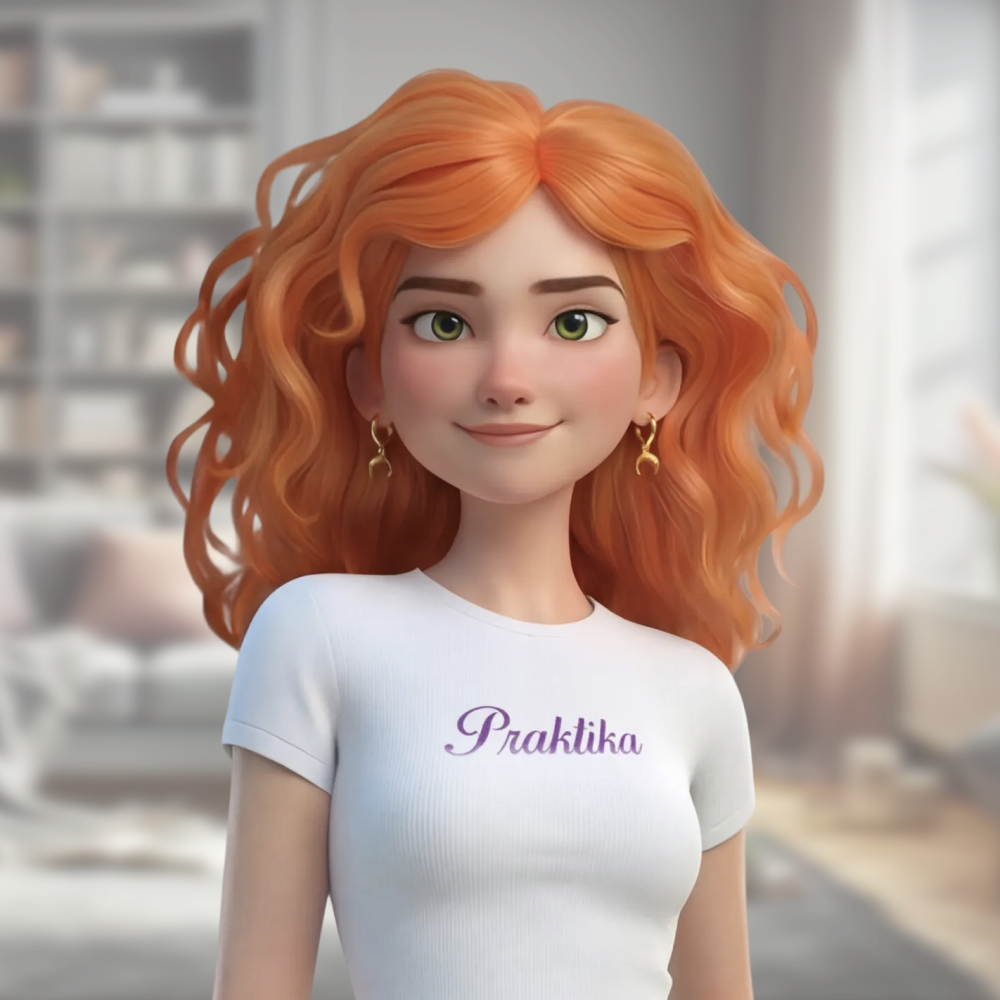
Your tutor today
Tonight’s dare: press play in French
Pick one French film. Watch the first ten minutes with English subtitles on. Then, for the last ten minutes, turn them off. Just try. If your exam sits somewhere in the next three to eight weeks, that small stretch of subtitle-free listening will teach you more than another vocabulary list ever could.
I’m asking you to commit to one theme, one film, one focused month. Not “learn French” in the vague sense. This is French through cinema, on purpose, because cinema hands you the exact skills a speaking or listening exam grades: register, rhythm, filler words, and the tiny cultural cues that make your answer sound human.
Let’s get into how.
Why one film beats twenty apps
Depth wins over scatter when you’re on a deadline. A single French film gives you roughly ninety minutes of native speech, one accent to tune your ear to, one cast whose vocabulary you’ll actually remember, and a story you can talk about for five minutes in your oral exam without freezing.
Here’s the direct answer to the core question of this piece: to learn French through one theme fast, pick a single 90-minute French film and run four passes on it over 21 to 60 days (watch with subs, watch without, shadow one scene aloud, discuss the plot with a French speaker). Reuse the same film as your oral exam topic. One film, four passes, one theme. That’s the whole shape.
Twenty apps in your rotation is a quiet signal that you’re avoiding depth. Pick one theme (cinema), one film, one method.

Four films that punch above their weight for exam prep
Not every film is exam-friendly. You want clear articulation, contemporary vocabulary, everyday scenes, and enough plot to fuel a five-minute monologue. My shortlist:
- Le Fabuleux Destin d’Amélie Poulain (2001). Slower narration, iconic vocabulary about Paris and daily life, plus the voice-over is dictionary-clear. Good for B1 to B2.
- Intouchables (2011). Lots of dialogue, everyday register, social themes examiners love hearing you discuss. B2 territory.
- La Famille Bélier (2014). Family, adolescence, French countryside, songs you’ll catch yourself humming for weeks. B1 friendly.
- Portrait de la jeune fille en feu (2019). Slower, quieter, more literary French. Ideal for a C1 stretch or if you love visual art. Bonus: gorgeous coastal Brittany scenery for your sketchbook (I might be biased).
Pick the one that matches your exam level, not the one that looks most impressive on Letterboxd.
Pick the film that matches your exam level, not the one that looks most impressive on Letterboxd. Your ear is the audience, not your feed.
Skye
The four-pass method: one scene, four listens
You’re not going to shadow a whole film. That’s a fantasy. What works is picking one three-minute scene and running it through four passes across a week. Here’s the sequence.
Pass 1: Story pass. Watch the whole film once with English subtitles. Enjoy it. Don’t take notes. You need the plot in your head, otherwise the language work later feels like drilling with a blindfold on.
Pass 2: Ear pass. Rewatch your chosen three-minute scene with French subtitles this time. Pause when you meet a phrase you don’t know. Write the phrase, not the translation, in a notebook. Aim for six to ten phrases from that scene, no more.
Pass 3: Shadow pass. No subtitles. Play a line, pause, say it out loud copying the actor’s rhythm and intonation. Don’t worry about a perfect accent; copy the melody first, the vowels catch up on their own. Do this daily for five days.
Pass 4: Recall pass. Close the laptop. Retell that scene to yourself in French, from memory, in your own words. Two minutes, out loud. Record it on your phone once so you can hear where you stalled.
Four passes. One scene. One week. Then rotate to the next scene next week.

The phrase bank that turns cinema into oral-exam gold
Here’s the small secret: examiners aren’t testing whether you memorised a textbook. They’re testing whether you can hold a conversation about something you care about. A film gives you exactly that. Extract phrases that transfer.
Some phrases I’d steal from any French film for your oral exam:
- Ce qui m’a le plus marqué, c’est… (“What struck me most is…”) Perfect opener for the analysis prompt.
- Je trouve que le réalisateur a voulu montrer… (“I think the director wanted to show…”) Instant intermediate register.
- Ça m’a fait penser à… (“It made me think of…”) A clean bridge into a personal anecdote, and examiners love those.
- D’une certaine manière… (“In a way…”) Nuance filler that buys you two seconds and sounds native.
- Ce n’est pas que… mais plutôt… (“It’s not that… but rather…”) Sophisticated contrast structure for a written or spoken argument.
- Au fond… (“Deep down…” or “Basically…”) Warm, thoughtful, very French.
Write these six on an index card. Practise dropping one into every conversation this week. Any conversation. Even in English out loud on your walk. The muscle memory transfers.
If you’re prepping specifically for the DELF, the honest DELF B2 FAQ has more on how examiners actually score you.
Simulate the oral exam: talk about your film for five minutes
Here’s what nobody tells you. The DELF, TCF or TEF oral will hand you a topic like cinéma engagé or la famille dans la société française, and you’ll have fifteen minutes to prep. If you’ve spent a month living inside one French film, you already have a five-minute monologue ready.
Run this simulation once a week:
- Set a timer for one minute. Pick a broad theme card (family, identity, work, art, memory).
- Note three points connecting your film to that theme.
- Speak for five minutes, out loud, alone or with a tutor. No script.
- Rewind. Note where you froze or reached for English.
- Look up those exact phrases. Add them to your index card.
The stall points are the whole gift. That’s your homework list for next week.
The places you freeze in a five-minute monologue are the whole gift. That's your homework list for next week, handed to you for free.
Skye
Your 21-day rhythm (or stretch it to 60)
You asked for a plan tied to your exam window. Here’s the honest version.
Week 1. Full film once with English subs. Pick your scene. Pass 2 (ear pass). Six new phrases into your notebook, out loud, ten times each.
Week 2. Pass 3 (shadow) on the same scene, daily for fifteen minutes. Add one new scene at the end of the week. First five-minute monologue attempt: probably awful, that’s fine.
Week 3. Rotate to scene two. Repeat the four-pass cycle. First mock oral exam using a theme card. Notice the stall points.
Weeks 4 to 6 (if you have them). Add a second film in the same register. Now you can compare and contrast two films in your oral, which sounds instantly more sophisticated. Bring an AI tutor into the room here for daily five-minute talks about what you watched. Real-time pronunciation and grammar feedback means you don’t spend a week practising a mistake.
Weeks 7 to 8. Full mock exams, timed. Record yourself. Watch the film once more, no subs, for pleasure. If you understand 70% without straining, you’re in exam shape.
For a fuller test-day timeline, the six-week autumn DELF speaking plan walks through the rentrée version of this rhythm. And if you want a general French primer alongside the cinema work, the how-to-learn-French cheat sheet covers the phone-call and paperwork French that films alone won’t teach you.

Where a spoken-conversation tutor slots into all this
Films are the input. You still need output, and lots of it, ideally in ten-minute daily doses. That’s where a spoken-conversation tutor is worth its weight. I use one for the “retell the scene to me” drill and the mock-oral runs, because it flags a wrong verb tense the second I say it, not three days later when I’ve already memorised the mistake.
Praktika is an AI language app where you have spoken conversations with lifelike tutors and get real-time feedback on pronunciation and grammar, at around $8 a month. If you want a low-friction way to do the daily talking, start a free conversation and use it as your five-minute oral simulator, right after tonight’s film.

So, which film’s it going to be?
Here’s my question back to you: which of those four films are you pressing play on tonight, and which scene are you going to have memorised by next Sunday? If you can answer that in one sentence out loud in French right now (out loud, count to three, go), you’ve already started.
If not, that’s your first ten minutes.
Ready to run tonight’s dare? Try Praktika free and talk through your opening scene with a tutor before bed.