Introduction
Imagine spending years studying English, passing exams, memorizing grammar rules, yet freezing the moment someone asks, “So, what do you do?” That gap between knowing English and using it smoothly in real conversation is exactly what the question “AI English Tutors 2025: Better Fluency For A Lower Cost?” tries to address.
For most learners, the issue is not effort. It is method. Traditional classes and many apps train reading, grammar, and vocabulary. They rarely give enough real speaking practice. I have met plenty of learners who can read complex emails but feel stressed ordering coffee. Their brain knows the words, but their mouth and ears are not trained for fast, real-life conversation.
This is where AI English tutors in 2025 change the picture. These tools are far beyond simple chatbots. They:
listen to speech in real time
correct pronunciation and grammar
adapt to each learner
stay available 24/7 on a phone
Voice‑first practice has produced impressive results: confidence jumps of around 250%, fluency gains above 20% in about two months, and pronunciation accuracy boosts of roughly 40% in a single month of focused work.
Cost is the other major shift. Private tutors may charge tens of dollars per hour. AI tutors such as Praktika give up to twelve times more speaking practice for a small part of the price, in some cases around fifty times cheaper than traditional tutoring.
This article walks through:
why older methods leave many people “good on paper” but silent in real life
how AI tutors work
how leading apps compare
what they cost
how to pick and use one wisely
Along the way, you will see how Praktika brings these benefits together for learners who want better fluency without stretching their budget.
Key Takeaways
AI English tutors in 2025 give far more speaking practice at a far lower cost. They fit around busy schedules, remove fear of judgment, and provide a safe space to make mistakes every day. For many learners, this mix of low pressure and high frequency is what finally makes fluent speaking feel realistic.
The best AI tutors share several advanced features. Real-time speech analysis, adaptive learning paths, realistic role‑plays, natural voices or avatars, and detailed progress tracking combine to produce strong results, including around 23% fluency gains and major confidence boosts in only a few weeks.
Praktika shows what this new standard looks like. Human‑like AI characters, instant feedback, 24/7 access, and game‑style practice create a very life‑like speaking experience at a fraction of the old cost. For serious learners, the key step now is choosing the right AI tutor and using it consistently.
“You don’t learn to walk by following rules. You learn by doing and by falling over.” — Richard Branson
Spoken English works the same way: you improve by speaking often, not by only reading rules.
Why Traditional English Learning Methods Fall Short
When I talk with learners who feel stuck, their stories sound similar. They spent years in classrooms, followed textbook courses, or used popular apps, yet still panic in real conversations. That is not a personal failure. It shows that the method did not train the skill they needed most.
Traditional classes usually focus on:
grammar explanations
reading texts
written exercises and tests
Speaking time is short and shared with many students. Even when there are speaking activities, one person talks while the rest wait. Many apps copy this pattern with multiple‑choice drills and flashcards. These are useful for vocabulary, but weak for real‑time conversation.
The emotional side of speaking is often ignored. Learners fear mistakes in front of classmates or native speakers. One bad moment can be enough to keep someone silent for the rest of the course. Without a judgment‑free space to try, fail, and try again, confidence falls and progress slows.
Personalization is another missing piece. A software engineer in India, a nurse in Germany, and a hotel worker in the UAE all need different English. A single syllabus rarely matches everyone’s goals. When material never feels relevant, motivation drops. The result is common: people can pass exams yet cannot respond smoothly in real conversations.
The AI Tutor Revolution And How Technology Is Changing Language Learning
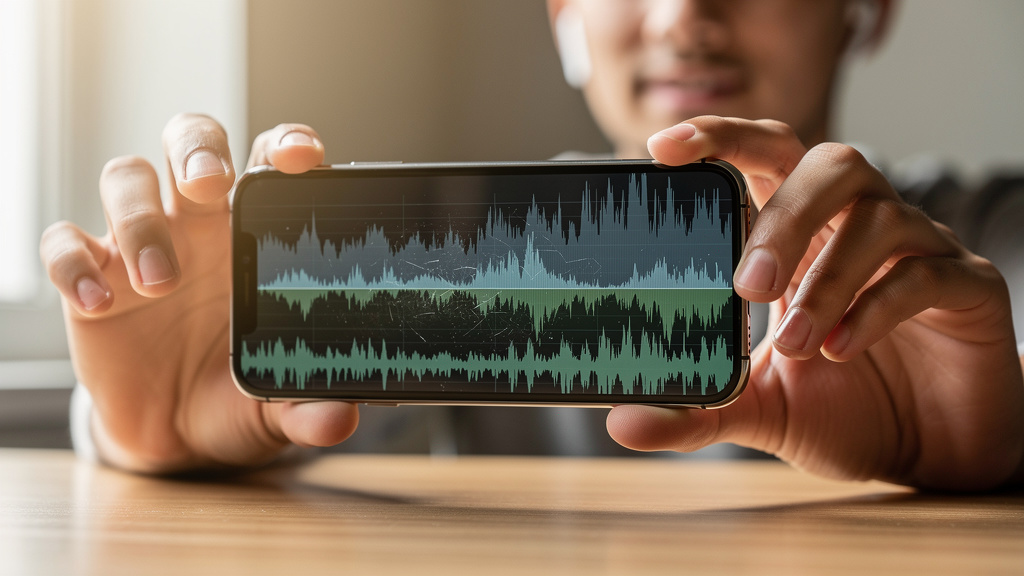
AI English tutors start from a simple idea: practice should look and sound like a real conversation with a patient expert partner. Instead of just showing text and exercises, these tools listen to spoken English, answer in natural voices, and react in real time.
Technically, the core pieces are:
advanced speech recognition
adaptive learning algorithms
When someone speaks, the system does more than write down the words. It analyzes pronunciation, rhythm, and stress, compares them to native patterns, and gives feedback immediately. At the same time, the difficulty of questions, speed of conversation, and choice of topics change as the learner improves or struggles.
This builds active learning instead of passive consumption. Instead of tapping through multiple‑choice questions, learners explain ideas, ask questions, and respond to new situations. Because the AI does not judge or laugh, it feels safe to experiment, repeat phrases, or pause and think.
Accessibility is another strong advantage. Most AI tutors are mobile‑first, so they sit in your pocket, ready for a ten‑minute conversation on a commute, during lunch, or late at night. Learners no longer have to fit life around a fixed class schedule. They fit English into small pockets of time they already have.
The numbers show how powerful this can be. Voice‑first practice has led to confidence gains of around 250% and fluency improvements of more than 20% in roughly two months. Because AI tutors can offer many more hours of speaking practice than human tutors for a fraction of the price, fluent speaking feels realistic for a much wider group of learners.
Essential Features That Define Elite AI English Tutors
Not all AI tutors are equal. Some are little more than chatbots with a microphone. Others feel close to talking with a real person. The tools that actually help people speak better tend to share the same core features.
1. Real‑Time Speech Analysis And Pronunciation Feedback
Strong platforms listen to each syllable and spot where sounds are unclear or stressed the wrong way. They can:
highlight problem words
replay correct versions
invite the learner to try again right away
With focused practice, pronunciation accuracy can rise by about 40% in only a month.
2. Personalized, Adaptive Learning
An effective AI tutor does not follow a fixed script. It notices when a learner answers quickly and when they hesitate or repeat mistakes. The system then adjusts:
vocabulary
grammar level
task types
This keeps practice challenging but not overwhelming. Someone preparing for job interviews, for example, will get very different topics from someone planning a vacation.
3. Immersive Role‑Playing
High‑quality tutors simulate real settings such as interviews, business meetings, hotel check‑ins, or casual chats. By repeating these situations many times, learners gain language, timing, and cultural style.
4. Human‑Like Conversation Feel
The best platforms use natural voices or realistic avatars so learners feel they are speaking with a person, not a machine. This can lower anxiety and make practice more enjoyable, almost like a game.
5. Progress Tracking
Elite AI tutors show changes in fluency, pronunciation accuracy, and vocabulary use over time. They highlight strengths and weak points, so learners know where to focus next. Some studies report up to 75% improvement across core speaking skills when these elements work together.
Traditional apps rarely combine all of these. They may offer a speaking button but with shallow analysis, little context, and generic feedback. Platforms like Praktika bring these pieces together, which is why they move the needle on real speaking fluency instead of just quiz scores.
Top AI English Tutor Platforms Compared For Your Perfect Match
With many AI tutors available in 2025, as highlighted in reviews of the 10 of the Best AI language tutors, choosing one can feel confusing. It helps to think in terms of fit: different tools shine for different goals, budgets, and personalities. Here is how several leading options compare, starting with Praktika.
Praktika

Praktika focuses heavily on life‑like conversation. Its AI characters react with natural expressions and speech, so practice feels close to talking with a real person. During each session, Praktika listens carefully and gives instant feedback on pronunciation, grammar, intonation, and word choice, helping learners correct mistakes as they speak.
The app offers wide role‑play options, from interviews and meetings to parties and travel, all inside a low‑pressure, game‑style environment. Study plans adapt to each learner’s pace and goals, while the subscription price stays up to fifty times lower than regular tutoring. For anyone who wants immersive, flexible speaking practice without high hourly fees, trying Praktika’s free trial is a smart first step.
Speak
Speak aims to feel like a human tutor on your phone. It focuses on natural voices and everyday topics, from small talk to common phrases and slang. The app is especially strong for people who already know some English and want to sound more relaxed and natural in casual situations.
Talkpal AI
Talkpal AI is a solid option for learners who care most about pronunciation. It relies on voice‑based interaction and strong speech recognition to catch errors quickly. With many conversation themes, learners can repeat topics they enjoy while slowly building confidence sentence by sentence.
Loora AI
Loora AI presents itself as an English coach for professional growth. It leans toward workplace scenarios such as meetings, presentations, and client calls. The app tracks progress with a focus on professional performance, which makes it a good choice for people who mainly want English for career advancement.
Gliglish
Gliglish centers on conversation and game‑style progress. It guides learners through realistic role‑plays and adds points and levels to keep motivation high. In one group study, learners using a voice‑first approach similar to Gliglish reported a 23% fluency boost and a 250% confidence lift in eight weeks, which shows how powerful regular speaking practice can be.
GoMigo
GoMigo mixes structured lessons with conversation practice. Its adaptive system adjusts grammar, vocabulary, and pronunciation exercises to the learner’s level and goals. This makes it a solid fit for people who want to improve all major skills, not only speaking, while still having regular voice interaction.
Jumpspeak
Jumpspeak is designed for busy people who struggle to fit long lessons into their day. It offers short, daily speaking tasks that can be done in just a few minutes. By focusing on fast, immersive dialogues with instant corrections, it keeps speaking muscles active even when time is tight.
Comparison Summary
Each of these platforms has a slightly different focus. Praktika offers a very immersive mix of human‑like avatars, detailed feedback, and flexible scenarios at a low cost. Speak shines for casual conversations, while Loora focuses more on business use. Gliglish and Talkpal push hard on speaking and pronunciation, GoMigo blends skills, and Jumpspeak fits tight schedules. The right choice depends on personal goals and learning style, but for most learners who want strong speaking gains without high prices, Praktika covers the widest range of needs.
The Cost Revolution And How AI Tutors Deliver Premium Learning At Budget Prices

Price is one of the biggest reasons AI tutors have become so attractive. A single hour with a private English tutor can easily cost between 25 and 60 dollars or more. Two hours a week for a year can reach thousands, which is not realistic for many students and professionals.
AI tutors flip this model. Instead of paying per hour, learners usually pay a low monthly subscription, often between 5 and 20 dollars depending on plan and platform. For that price, they can practice daily, sometimes for as many hours as they like.
Here is a rough comparison of typical monthly costs.
AI Tutor App | Estimated Monthly Cost | Notes |
|---|---|---|
Praktika | Varies by region, in a low monthly range | Full speaking focus with human‑like avatars |
GoMigo | Around 6 dollars | Often cheaper on longer plans |
Gliglish | Around 8 dollars | Focus on conversation and confidence |
Talkpal AI | Around 5 to 15 dollars | Price varies with plan length |
Jumpspeak | Around 12 to 80 dollars | Price changes by access level |
Loora AI | Around 15 dollars | Strong business focus |
Speak | Around 18 dollars | Very natural voices |
Langua | Around 20 to 30 dollars | Heavier focus on writing and grammar |
Compared with human tutoring, the difference is striking. The cost of five one‑hour sessions with a private tutor can equal a full month, or even several months, of AI tutor access. During those same weeks, an AI tutor can provide many more hours of speaking practice, with no travel time or scheduling stress.
There are other savings as well:
no missed‑session fees
no time lost going to a classroom
no waiting for the next available slot
Learners can practice when they feel most awake and focused, whether that is early morning or late at night. For businesses, these economics scale even further when training whole teams. Praktika fits strongly into this picture by offering human‑like practice at a price that makes daily speaking training realistic for almost anyone.
AI Tutors Vs. The Alternatives: Understanding Your Options
Even with all these advantages, AI tutors are just one part of the language‑learning toolbox. To build a smart plan, it helps to compare them with human tutors, general AI tools like ChatGPT, and traditional language apps.
AI Tutors Vs. Human Tutors
Human tutors bring warmth, life experience, and cultural nuance that no machine can fully copy. They notice subtle social cues, share personal stories, and adjust teaching based on mood or context. This is especially valuable for advanced learners who want to refine style, humor, or negotiation skills.
At the same time, AI tutors offer major practical strengths:
available 24/7
endless patience
no judgment of mistakes
far lower cost per hour of practice
For a low monthly fee, learners can gain far more speaking time than they ever could with paid hourly sessions. Some estimates suggest around twelve times more speaking practice for a fraction of the yearly cost. This always‑on, low‑pressure space is ideal for people who feel shy or anxious.
In many cases, a mixed approach works best: an AI tutor like Praktika for daily speaking, plus occasional human tutor sessions for deeper cultural or professional guidance.
AI Tutors Vs. ChatGPT And Generic AI Chatbots
ChatGPT and similar tools are extremely helpful for writing practice, grammar checking, and vocabulary explanations. Learners can ask for custom examples, rewrite emails, or get feedback on essays. The limitation is that these tools work mainly through text. They do not listen to speech or correct pronunciation and intonation.
Dedicated AI tutors focus on the spoken side. They:
listen to the voice
analyze how words are pronounced
guide rhythm and pace
follow a teaching plan with levels, adaptive difficulty, and clear tracking
In short, ChatGPT helps fingers and brain for writing, while AI tutors train mouth, ears, and brain for live conversation. Both can be powerful, but for speaking fluency, specialized AI tutors are far more effective.
AI Tutors Vs. Traditional Language Apps (Duolingo, Etc.)
Popular language apps have helped millions of people start learning by turning study into a fun daily habit. They are excellent for vocabulary building, basic grammar, and short review sessions.
However, speaking practice in these apps is usually short and scripted. Learners might repeat single sentences or answer yes‑no questions, but they rarely have full, flowing conversations. The AI is not always listening for natural rhythm or detailed pronunciation, and feedback is often simple pass or fail.
AI conversation tutors fill this gap. They allow unlimited speaking time, adjust to the learner’s answers, and correct in real time. Traditional apps remain valuable, especially for vocabulary, but for serious spoken fluency, AI tutors like Praktika are the main engine.
Proven Results: The Measurable Impact Of AI Tutors On Fluency And Confidence
The new wave of tools does not just feel helpful; it produces numbers that show real change, with research on Enhancing English Language Learning through AI documenting systematic improvements across multiple metrics. Two areas stand out: confidence and fluency.
In one study on a voice‑centered AI platform, a group of thirty learners practiced regularly for eight weeks. At the start, only six felt comfortable speaking English. By the end, twenty‑one reported strong confidence—a 250% increase in how many people felt ready to speak.
Fluency improvements are also clear. The same type of practice led to about a 23% rise in measured speaking fluency over those two months. Learners responded more quickly, with fewer pauses and more natural phrasing.
For pronunciation, focused apps using phonetic‑level feedback have seen accuracy improvements of up to 40% in just four weeks. Some platforms measure a blend of skills such as fluency, accuracy, vocabulary use, and listening. In these cases, learners have seen gains of roughly 75% across core speaking abilities after a period of steady practice.
“The limits of my language mean the limits of my world.” — Ludwig Wittgenstein
These numbers matter because they show that regular, voice‑based practice opens real‑world options: smoother meetings, less fear on phone calls, and more relaxed conversations with friends and coworkers.
Traditional methods can also bring improvement, but usually more slowly and with fewer chances to speak. By contrast, AI tutors like Praktika make it easy to practice every day. Constant repetition, instant feedback, and a low‑pressure setting explain why progress curves look steeper.
AI English Tutors For Business And Scaling Language Training Across Your Organization
For companies and schools, the challenge is bigger than for individuals, and resources on How to Teach English with AI offer practical frameworks for implementing these tools at scale. They need many people to reach a stable level of English across several countries and time zones. Traditional classroom training is expensive, hard to schedule, and uneven in quality. AI English tutors offer a different path for large groups.
Instead of relying on a few trainers, organizations can give every employee or student access to a high‑quality speaking partner in their pocket. Enterprise‑ready platforms, including Praktika for conversation practice and tools like AgentiveAIQ for custom content, let program managers set clear goals and then track progress at scale.
Scalability And Consistency
AI tutors let thousands of learners practice at the same time without needing more trainers. Each person receives a similar base level of quality, no matter their office or time zone. This avoids the common problem where one team gets excellent teaching while another gets very little.
Customization And Brand Alignment
Modern platforms make it possible to design practice scenarios that mirror a company’s real work. For example:
a hotel group can set up check‑in dialogues using real scripts
a software company can build customer support conversations with their product names and common issues
Different roles, such as sales, support, and management, can follow their own learning paths. Even company values and tone of voice can be reflected in how the AI speaks, so learners practice both English and brand style.
Actionable Analytics And ROI Measurement
From a training or HR point of view, data is vital. AI tutors can show:
how often employees practice
which topics they struggle with
how their skills grow over time
Dashboards highlight teams that need extra support or units that are making fast progress. Some companies have used these insights to cut onboarding time for non‑native speakers by around 40% while raising performance on calls and emails.
Implementation Strategy
Rolling out an AI tutor program works best in clear steps:
Start with a pilot group such as new hires or customer‑facing staff. Measure engagement and performance for a few weeks.
Integrate with existing systems like learning management platforms or onboarding portals, so users reach the tutor from familiar places.
Refine content based on learner feedback and analytics. Add or adjust scenarios where staff struggle most.
Scale to more teams once the model works. Tools like AgentiveAIQ make it simple to build custom tutors without coding, while Praktika can be deployed quickly as a ready‑made speaking partner with strong analytics and long‑term memory of each user’s progress.
How To Choose The Right AI English Tutor For Your Specific Goals
With so many apps promising fluency, picking one can feel like guessing. The best way to choose is to start from personal goals. Once those are clear, it becomes much easier to see which features matter.
Think about three questions:
What kind of speech do you want to improve most: pronunciation, interviews, travel talk, or business meetings?
What motivates you: game‑style points, or more direct coaching?
How much time and money can you invest each week?
Step 1 Define Your Primary Learning Goal
Clear goals make the choice far simpler. Examples:
If pronunciation and accent clarity matter most, look for platforms with detailed sound analysis, such as specialized accent apps and Praktika’s pronunciation feedback.
If interviews or exams are near, prefer tools with realistic question‑and‑answer practice, including interview scenarios in Praktika or similar platforms.
For general conversation confidence, avatar‑based tools like Praktika or Gliglish that cover everyday topics work well.
For business English, Loora or Praktika’s business topics cover meetings, presentations, and emails.
Learners with only a few minutes per day might mix a short‑session app like Jumpspeak with a more complete tutor.
Step 2 Evaluate Essential Features
During free trials, test how well each app supports your goal. Pay attention to:
Speech recognition: Is it accurate and fast, even on tricky words?
Adaptivity: Does it change difficulty as you improve or struggle?
Content range: Do scenarios match your real‑life needs, such as job interviews, travel, or business calls?
Interface and tracking: Is the app pleasant to use every day, and does it show clear progress charts?
For people who enjoy social motivation, extras like leaderboards or practice streaks may also help.
Step 3 Make Your Decision
After testing two or three apps for about a week each, pick the one that feels easiest to use every day. Perfection is less important than consistency. A full‑featured tool like Praktika is often a strong starting point because it covers many goals, but the best tutor is the one that fits smoothly into your routine.
Set a realistic plan—such as 15 minutes per day—and try to stick with your chosen tool for at least thirty days before judging results. That gives your brain and voice time to adapt.
Getting Started With Your First 30 Days With An AI English Tutor

The first month with an AI tutor can make or break the habit, as research insights from 𝐖𝐨𝐫𝐤𝐬𝐡𝐨𝐩 “𝐅𝐫𝐨𝐦 𝐀𝐈 𝐭𝐨 Insight” show the critical importance of early habit formation. Some learners try a few intense sessions, feel tired, and quit too soon. Results are better when people start small, build routine, and then increase challenge step by step.
The aim in these first thirty days is not perfection. It is comfort, regular practice, and early wins that prove progress is possible.
Week 1: Foundation Building
In the first week:
complete any placement test so content starts at a suitable level
explore menus and try a few different scenarios
keep conversations simple—introductions, hobbies, work, daily routines
Short sessions of 5–10 minutes per day are enough at this stage. The main aim is to get comfortable hearing your own voice and to feel less nervous speaking to the AI.
Week 2–3: Establishing Consistency
Once the initial fear fades, build the habit:
increase practice to 15–20 minutes a day
choose topics that match real goals, such as job talk, travel, or social chat
notice repeated corrections from the AI—these are your weak areas
set a fixed time, like before breakfast or after work
Pay attention to early gains: clearer pronunciation of a few words, or less pausing during small talk. Celebrate these steps.
Week 4: Acceleration And Expansion
By week four, many learners feel much more relaxed with the app. This is a good time to:
try harder scenarios and longer dialogues
nudge difficulty up when conversations feel too easy
attempt tasks that need detailed answers, such as describing a project or giving an opinion
Review the app’s progress charts at the end of the month to see which skills improved most. Some learners also add a second short practice block on certain days, such as a ten‑minute session in the morning and another in the evening.
Building Long‑Term Success
After the first month, the goal shifts from fast change to steady, long‑term habit. Fluency grows with time and repetition, so daily practice should feel like brushing your teeth—something you do almost without question.
Advanced learners might add an occasional session with a human tutor to polish higher‑level skills, but the AI tutor remains the main engine. Apps like Praktika are built for ongoing use, with fresh content, adaptive plans, and game‑style elements that keep practice engaging month after month.
Conclusion
Looking at the evidence, AI English tutors in 2025 offer a far better path to speaking fluency at a much lower cost than older options. They turn English practice from a rare, scheduled event into something flexible, frequent, and close to real conversation.
Instead of passive drills, learners now have access to human‑like partners that listen, correct, and adapt in real time. Studies show confidence rising by around 250%, fluency improving by more than 20%, and pronunciation accuracy jumping by up to 40% in a matter of weeks. An AI tutor can provide many times more speaking practice than a human tutor at a fraction of the hourly cost.
Human teachers still add deep value, especially for culture and complex communication. Yet AI tutors have made high‑quality speaking practice available to almost anyone with a phone and a few spare minutes each day. Praktika stands out in this shift, combining accurate speech technology, realistic avatars, adaptive plans, and a game‑like, judgment‑free space that often costs less than a monthly coffee habit.
If English fluency has felt out of reach, this is a good moment to try again. The tools, prices, and flexibility are all in place. The last missing piece is regular practice. Exploring a free trial of Praktika or a similar AI tutor could be the first real step toward speaking English with the ease and confidence you have wanted for years.
FAQs
Can AI Tutors Really Help Me Speak English Fluently?
Yes—especially when used with steady practice. Studies on voice‑first AI practice have shown around 23% gains in fluency and a 250% rise in confidence after about eight weeks of regular use. Because AI tutors give unlimited speaking time with instant feedback, they train the exact skills needed for real conversation. The private, judgment‑free space makes it easier to take risks and learn from mistakes. Fluency growth still depends on consistent effort, ideally 15–20 minutes a day, but the method is very effective. Platforms like Praktika combine realistic dialogue with adaptive learning, which gives learners a strong base for fluent speech.
How Much Do AI English Tutors Cost Compared To Traditional Tutoring?
Traditional one‑to‑one tutors often charge between 25 and 60 dollars per hour or more. Over a year, that can add up to several thousand dollars for regular lessons. AI English tutors, by contrast, usually cost between 5 and 20 dollars per month for wide access. This means learners can gain many hours of speaking practice for the cost of a single short human lesson. In effect, they receive far more speaking time at a much lower cost per hour of use. Many apps, including Praktika, also offer free trials and discounted long‑term plans, which makes starting even easier.
Are AI Tutors Better Than Language Learning Apps Like Duolingo?
They serve different roles and work well together. Traditional apps such as Duolingo are excellent for learning new words, reviewing grammar, and building a daily study habit through game‑style tasks. However, their speaking practice is usually short, highly scripted, and not close to natural conversation.
AI tutors focus mainly on live speaking and listening, giving learners realistic dialogues, voice‑based corrections, and unlimited practice time. For someone whose main aim is to speak smoothly and confidently, AI tutors are far more effective. A strong approach is to use a traditional app for vocabulary and grammar review and an AI tutor like Praktika for the real speaking work.
Can I Use ChatGPT Instead Of A Dedicated AI English Tutor?
ChatGPT is a very helpful tool for some parts of language learning. It can correct writing, explain grammar points, and suggest better word choices in emails or essays. However, it mainly works through typed text and does not listen to speech. That means it cannot give feedback on pronunciation, rhythm, or intonation, which are central to speaking fluently.
Dedicated AI English tutors are built around real‑time voice recognition and speaking practice. They train the mouth, ears, and brain to work together under real‑time pressure. ChatGPT can be a strong support for reading and writing, but for spoken fluency, a specialized tutor like Praktika is a much better choice.
How Long Does It Take To See Results With An AI English Tutor?
Most learners notice small changes in confidence within the first one or two weeks if they practice regularly. For example, they may feel less nervous starting a conversation or answering simple questions. Research on voice‑focused AI practice shows around 23% improvement in measured fluency within about eight weeks of steady use. Pronunciation accuracy can rise by up to 40% in roughly a month when someone focuses on sound training.
Exact timelines depend on starting level, practice time, and goals, but many users report clear gains within their first month. Short, daily sessions of around fifteen minutes tend to work better than rare, long sessions. Apps like Praktika help by showing visible progress charts so learners can see these changes over time.
Are AI English Tutors Suitable For Complete Beginners?
Yes, many AI English tutors are designed to support learners from beginner to advanced levels. At the start, the system detects limited vocabulary and slow responses, then adjusts its language and speed to match. Beginners often benefit from the private nature of AI practice, since they can try very simple sentences without fear of judgment.
They can start with basic topics such as self‑introduction, daily routines, and simple questions, repeating as often as needed. The AI will not get tired or annoyed. Praktika, for example, offers study plans that begin with simple phrases and slowly build up to more complex speech, so even complete beginners can grow step by step into confident speakers.